Early RFP mistakes cost millions. AutogenAI can stop them before they start.

Why getting to grips with the RFP first sets the stage for success
Misunderstanding an RFP doesn’t just waste time, it can sink a bid entirely.
Our research shows:
- 74% of proposal professionals say RFPs have become more complex
- 67% have lost contracts due to misunderstood or missed requirements
These minor slip-ups can mean missed revenue. In high-value, high-pressure bidding environments, getting to grips with requirements early is the difference between winning and losing.
Top Benefit of Using AI Graph
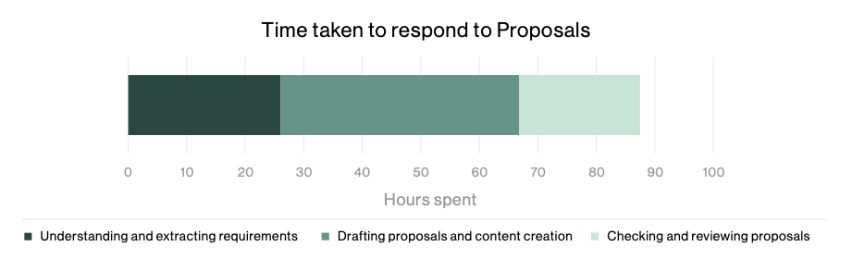
RFP requirements are getting harder to navigate
Modern RFPs often stretch to hundreds of pages, with critical requirements buried in technical language, appendices, and attachments. Miss a single clause, and even a strong proposal can be rejected outright.
Teams face two high-stakes risks:
- Missing a must-have: One overlooked requirement can lead to instant disqualification
- Over-delivering on the wrong thing: Misjudging optional asks can burn time and resources without improving your score
Responsibility for parsing these requirements is often spread across legal, technical, finance, and compliance leads. But with tight timelines, version control issues, and manual processes, it’s all too easy for something to slip through the cracks.
Delays, duplication, and disqualification
Proposal teams are too often stuck chasing missing inputs, duplicating work, or scrambling to fix errors late in the process.
This reactive mode increases the likelihood of:
- Compliance gaps
- Fragmented messaging
- Missed deadlines
Bids that never stood a chance.
But AI-powered proposal tools enable a structured, proactive approach to requirement extraction and management, without replacing human expertise.
Here’s how it works:
- Scans and highlights key requirements from long, complex documents
- Tags and categorizes each one as mandatory, preferred, or optional
- Maps requirements to owners, giving clear responsibility and visibility
- Flags potential gaps between requirements and draft content
Rather than sifting through pages of regulatory language, bid teams can focus on strategy – because they trust that nothing’s been missed.
Start strong or fall behind
Proposals live or die by how well they reflect the RFP. Early missteps are expensive and avoidable.
Want to see how top-performing teams are using AI to gain the edge? Download the full research report.


